Why Solar Power Is the Smart Choice for Homeowners in 2025
Solar power technology has advanced rapidly over the past decade, making it more affordable, efficient, and accessible than ever before. Homeowners across the country are discovering that switching to solar energy isn't just good for the environment — it's one of the smartest financial decisions they can make. With federal tax credits, state incentives, and dramatically lower panel costs, the return on investment for residential solar has never been more compelling.
Whether you're motivated by saving money on electricity bills, increasing your home's value, or reducing your carbon footprint, understanding how solar power works and what's involved in the transition is essential. Explore our guide to solar panel installation for more information.
How Residential Solar Power Systems Work
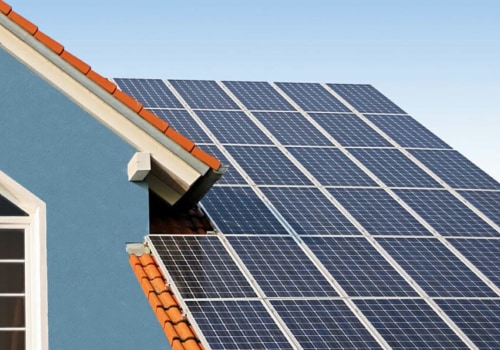
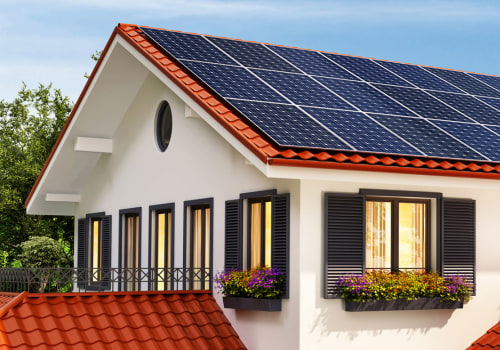
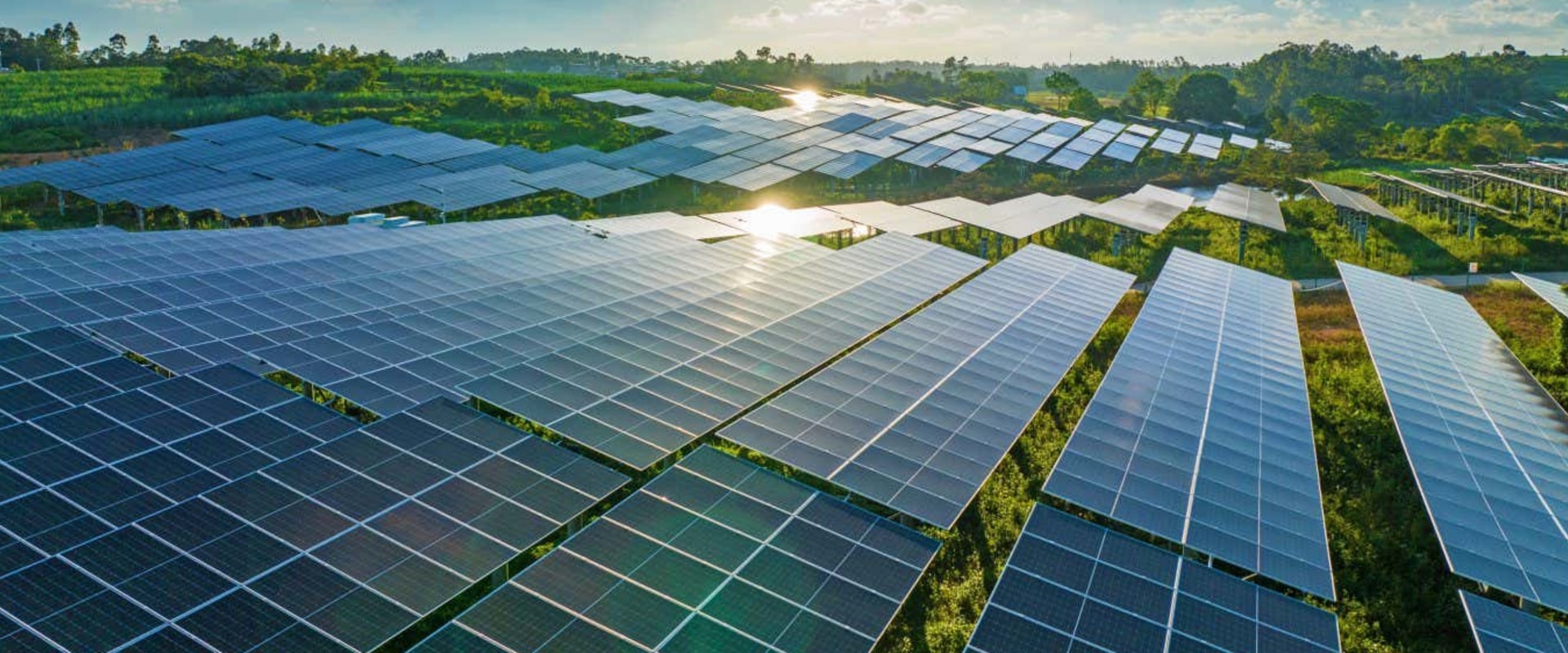
A residential solar power system captures sunlight through photovoltaic panels mounted on your roof or property. These panels convert sunlight into direct current (DC) electricity, which is then converted to alternating current (AC) by an inverter for use in your home. The process is silent, requires virtually no maintenance, and produces clean energy for 25-30 years or more.
Key Components of a Solar System
- Solar panels: The primary energy-generating components, typically mounted on south-facing rooftops for maximum sun exposure throughout the day
- Inverters: Convert DC power from panels to AC power used by your home appliances and electronics
- Battery storage: Optional systems that store excess energy for use during nighttime hours or power outages, providing energy independence
- Monitoring system: Software and hardware that tracks your system's energy production and consumption in real time
- Mounting hardware: Racking systems that securely attach panels to your roof while maintaining proper angle and ventilation
The right combination of components depends on your energy needs, roof characteristics, and budget. Visit our page on battery storage to learn more about available options.
Financial Benefits of Going Solar
The financial case for solar power has become increasingly compelling as panel costs have dropped by over 70% in the past decade while electricity rates continue to rise.
Ways Solar Saves You Money
Homeowners who switch to solar typically see immediate savings on their electricity bills and long-term financial benefits that far exceed the initial investment.
- Reduced electricity bills: Most solar homeowners eliminate 50-100% of their monthly electricity costs, saving thousands of dollars annually
- Federal tax credit: The Investment Tax Credit allows you to deduct a significant percentage of your solar installation cost from your federal taxes
- State and local incentives: Many states offer additional rebates, performance payments, and property tax exemptions for solar installations
- Increased property value: Studies consistently show that homes with solar panels sell for more than comparable homes without them
- Net metering credits: When your system produces more energy than you use, the excess is sent to the grid and credited to your account
Understanding the True Cost of Solar
While the upfront cost of solar installation can range from moderate to significant depending on system size, multiple financing options make solar accessible to most homeowners.
- Cash purchase offers the highest long-term savings with no interest payments and immediate ownership
- Solar loans allow you to finance your system with monthly payments often lower than your current electric bill
- Solar leases and PPAs provide solar benefits with little or no upfront cost in exchange for purchasing the power produced
- PACE financing allows you to pay for solar through your property tax bill with no money down
Choosing the Right Solar Panels and Equipment
Not all solar equipment is created equal. The panels, inverters, and batteries you choose significantly impact your system's performance, longevity, and return on investment. Understanding the differences helps you make an informed decision that aligns with your specific needs and goals.
When evaluating solar equipment, consider efficiency ratings, warranty coverage, manufacturer reputation, and compatibility with your roof type. Check out our resource on solar cost savings for detailed guidance.
Panel Types Compared
- Monocrystalline panels: The most efficient option at 20-25% efficiency, ideal for homes with limited roof space who need maximum energy production per square foot
- Polycrystalline panels: A cost-effective alternative at 15-20% efficiency, suitable for homes with ample roof space where budget is a primary concern
- Thin-film panels: Flexible and lightweight with lower efficiency, best suited for unconventional installations or large commercial applications
- Bifacial panels: Advanced panels that capture sunlight on both sides, increasing energy production by 10-20% in optimal ground-mount installations
The Solar Installation Process
Understanding what to expect during the solar installation process helps you prepare and ensures a smooth transition to solar energy.
Steps from Consultation to Power-On
- Initial consultation and site assessment to evaluate your roof, shading, energy usage, and goals
- Custom system design tailored to your specific roof layout, energy needs, and budget preferences
- Permitting and utility interconnection applications handled by your installer
- Professional installation typically completed in one to three days depending on system size
- Final inspection and utility approval before your system is connected and producing power
- System activation and monitoring setup so you can track your energy production from day one
The entire process from initial consultation to system activation typically takes four to eight weeks, with most of that time devoted to permitting and utility approval rather than actual installation work.
Maintaining Your Solar Power System
One of the greatest advantages of solar power is its minimal maintenance requirements. With no moving parts, solar panels are remarkably durable and reliable.
- Annual or semi-annual panel cleaning to remove dust, pollen, and debris that can reduce efficiency
- Regular monitoring of system performance through your monitoring app to catch any issues early
- Periodic professional inspections to check wiring, mounting hardware, and inverter performance
- Trimming nearby trees that may have grown to shade your panels since installation
- Checking your inverter display or monitoring app for error messages or performance drops
Most solar panels come with 25-year performance warranties, and quality inverters are warrantied for 12-25 years. This reliability means your system will produce clean energy for decades with minimal attention. Learn about our recommended maintenance schedule and tips by visiting solar incentives to get started today.
Start Your Solar Journey Today
Solar power represents one of the best investments available to homeowners today. With proven technology, strong financial returns, and the satisfaction of generating your own clean energy, there's never been a better time to make the switch. The combination of falling costs, generous incentives, and rising electricity rates creates a window of opportunity that forward-thinking homeowners are seizing.
Whether you're just starting to explore solar or ready to request quotes from installers, educating yourself about the technology, costs, and process ensures you'll make the best decision for your home and family. The sun is shining — it's time to put it to work for you.