The New Intelligence Behind Solar Power
Solar energy has always promised long-term savings, but recent advances in artificial intelligence are accelerating that promise. Modern solar systems now rely on machine learning models that continuously analyze sunlight patterns, temperature changes, and household energy consumption. Instead of static performance, panels are becoming adaptive energy producers.
Smarter Panels Mean Higher Efficiency
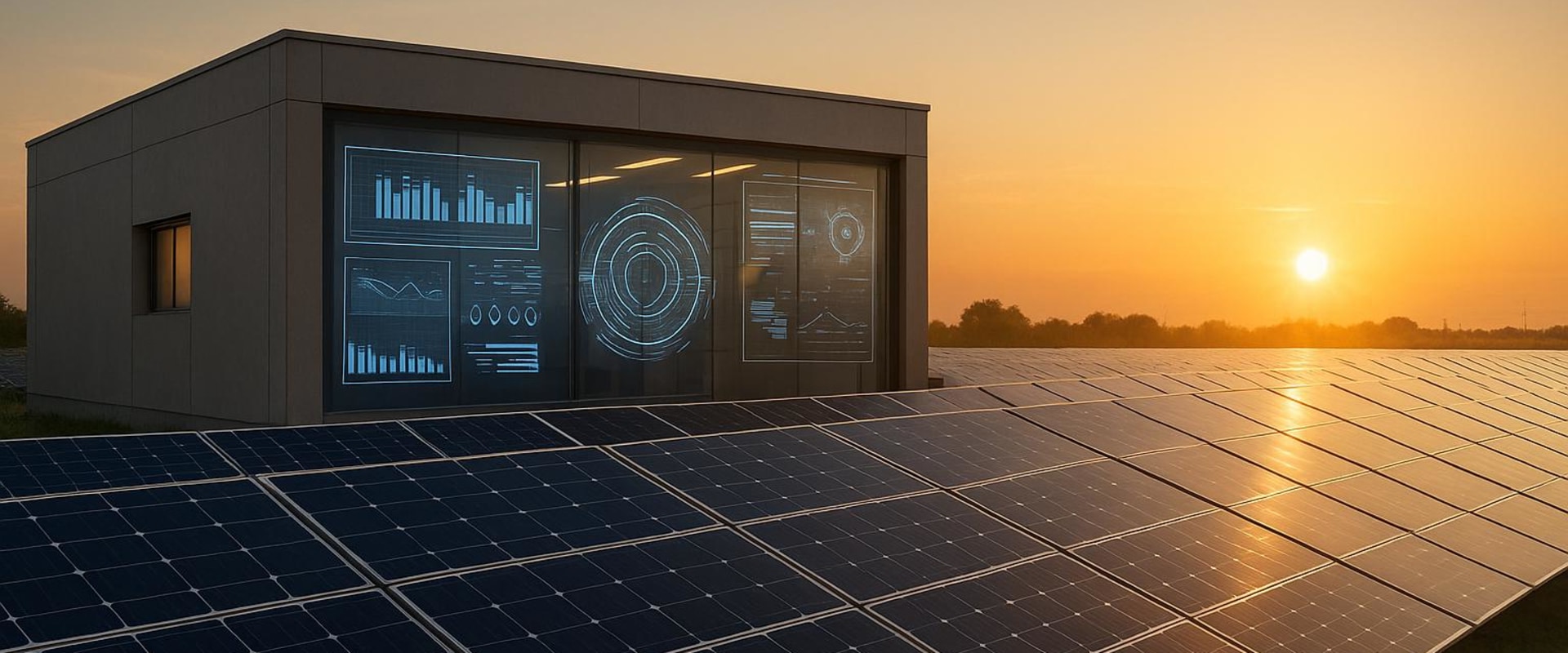
AI-enabled inverters and monitoring software can adjust panel angles, predict shading issues, and balance loads in real time. This technology identifies underperforming cells early, preventing long-term degradation. Homeowners benefit from more consistent output even during cloudy or partially shaded conditions.
Predictive Maintenance Reduces Costs
Traditional solar maintenance was reactive. AI changes that by predicting failures before they happen. Sensors feed data into algorithms that flag microcracks, dirt buildup, or wiring inefficiencies. Repairs are smaller, cheaper, and less disruptive.
Personalized Energy Optimization
AI systems learn a household energy habits. They can decide when to store power in batteries, when to sell excess energy back to the grid, and when to draw from stored reserves. This personalization maximizes savings without homeowner intervention.
Lower Bills With Less Effort
By automating decisions, AI reduces wasted energy. Homeowners see lower monthly bills while maintaining comfort. Over time, these optimizations can shave years off the return-on-investment timeline.
Solar Meets Smart Marketing
For solar installers and green energy companies, digital visibility matters. Platforms offering AI-driven growth strategies help renewable brands reach eco-conscious homeowners searching for smarter energy solutions.
The Future of AI-Powered Solar
As AI models improve, solar systems will integrate weather forecasting, grid demand prediction, and dynamic pricing. The result is a cleaner, more efficient energy ecosystem that benefits both homeowners and utilities.