Understanding Residential Solar Power Systems
Solar power has rapidly evolved from an expensive novelty into one of the most practical and cost-effective energy solutions available to homeowners today. With panel costs dropping more than 70% over the past decade and generous federal and state incentives still available, millions of homeowners are making the switch to clean, renewable solar energy. But before investing in a solar system, it helps to understand exactly how the technology works and what components are involved.
This comprehensive guide breaks down every aspect of residential solar power systems, helping you make an informed decision about whether solar is right for your home. For specific installation details, visit our solar panel installation guide.
The Science Behind Solar Energy
Solar panels convert sunlight into electricity through the photovoltaic effect. When photons from sunlight strike the silicon cells in a solar panel, they knock electrons loose from their atoms, creating an electrical current. This direct current (DC) electricity is then converted to alternating current (AC) by an inverter, making it compatible with your home's electrical system and the utility grid.
Modern solar cells achieve efficiency ratings between 18% and 25%, meaning they convert that percentage of the sunlight hitting them into usable electricity. While this may sound modest, the sheer abundance of solar energy reaching your roof makes it more than sufficient to power your entire home in most cases.
Types of Solar Panels
- Monocrystalline panels: Made from single-crystal silicon, these are the most efficient panels available, typically achieving 20-25% efficiency. They perform best in limited roof space and are recognizable by their uniform dark appearance. They cost more but produce more power per square foot.
- Polycrystalline panels: Made from multiple silicon crystals melted together, these panels offer 15-20% efficiency at a lower price point. They have a distinctive blue, speckled appearance and are a solid choice for homeowners with ample roof space who want to minimize upfront costs.
- Thin-film panels: These flexible, lightweight panels are made by depositing thin layers of photovoltaic material onto a substrate. While less efficient at 10-15%, they excel in certain applications like curved surfaces and large commercial installations.
Learn more about selecting the right panels for your specific situation in our guide to choosing solar panels.
Essential Components of a Solar Power System
A complete residential solar system involves several components working together seamlessly to generate, convert, and manage electricity.
Solar Panels (Photovoltaic Modules)
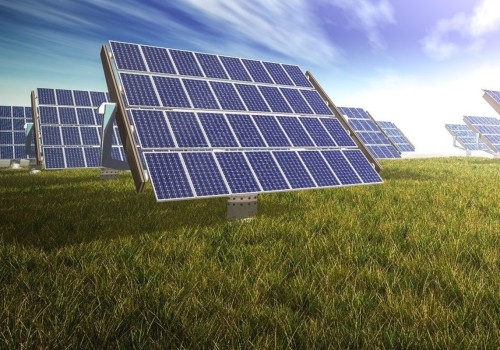
The panels themselves are the most visible component, typically mounted on your roof using specialized racking systems. The number of panels you need depends on your energy consumption, roof size and orientation, local climate, and shading conditions. A typical home installation uses between 15 and 30 panels.
Inverters
Inverters are the brains of your solar system, converting DC electricity from the panels into AC electricity used by your home. Three main types are available:
- String inverters: A single central inverter handles all panels wired together in series. This is the most cost-effective option but performance is limited by the lowest-producing panel in the string.
- Microinverters: Individual small inverters attached to each panel optimize output independently. While more expensive, they maximize production and enable panel-level monitoring.
- Power optimizers: A hybrid approach where optimizers at each panel condition the DC power before sending it to a central inverter. This offers many benefits of microinverters at a moderate cost.
Battery Storage
Battery systems like the Tesla Powerwall and Enphase IQ allow you to store excess solar energy for use during evenings, cloudy days, or power outages. While optional, batteries are becoming increasingly popular as prices decrease and grid reliability concerns grow. Read about solar battery storage options to understand the costs and benefits.
Monitoring Systems
Modern solar installations include monitoring software that tracks energy production, consumption, and system health in real time. Most systems offer smartphone apps that let you see exactly how much energy your panels are generating and how much you're saving.
Mounting and Racking Hardware
Racking systems securely attach panels to your roof at the optimal angle. They must withstand local wind loads, snow, and other weather conditions while protecting your roof from damage. Ground-mounted systems are also available for properties with unsuitable roofs but adequate yard space.
How Energy Flows Through Your Home
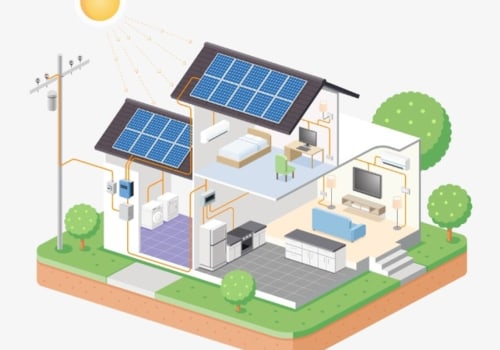
Understanding the energy flow helps demystify solar power:
- Sunlight strikes your solar panels, generating DC electricity
- The inverter converts DC to AC electricity compatible with your home
- AC electricity flows to your electrical panel (breaker box)
- Your home uses solar electricity first, reducing grid consumption
- Excess electricity either charges your battery or feeds back to the utility grid through net metering
- At night or on cloudy days, you draw from your battery or the grid as needed
The entire process is automatic and seamless — you won't notice any difference in how your electricity works, except for dramatically lower bills. Learn how net metering works and how it credits you for excess production.
Financial Benefits of Solar Power
The financial case for residential solar has never been stronger. Here's how homeowners benefit financially:
- Reduced electricity bills: Most solar homeowners eliminate 50-100% of their monthly electricity costs, saving tens of thousands of dollars over the system's lifetime
- Federal Investment Tax Credit (ITC): Homeowners can deduct 30% of their solar installation cost from federal taxes, significantly reducing the net cost of going solar
- State and local incentives: Many states offer additional rebates, tax credits, performance-based incentives, and property tax exemptions for solar installations
- Increased home value: Research consistently shows that solar panels increase home values, with buyers willing to pay a premium for homes with owned solar systems
- Protection from rate increases: Once installed, your solar system locks in your energy costs, protecting you from the annual utility rate increases that affect non-solar homes
- Net metering credits: Excess energy sent to the grid earns credits on your utility bill, effectively making the grid your battery backup
Calculate your potential savings with our solar savings calculator.
Is Your Home a Good Candidate for Solar?
Several factors determine how well solar will perform on your specific home:
Ideal Conditions
- Roof orientation: South-facing roofs receive the most direct sunlight in the Northern Hemisphere, though east and west-facing roofs can also work well
- Minimal shading: Trees, chimneys, and nearby buildings that shade your roof during peak sun hours will reduce production
- Roof condition: Your roof should have at least 15-20 years of life remaining to avoid the expense of removing and reinstalling panels during a roof replacement
- Sufficient space: Most residential systems need 300-600 square feet of unobstructed roof space
- Local sunshine: While solar works everywhere, sunnier climates produce more energy and faster payback periods
The Installation Process
Going solar is a well-established process that typically takes four to eight weeks from contract signing to system activation:
- Site assessment: A solar professional evaluates your roof, electrical system, energy usage, and shading to design an optimal system
- System design: Engineers create a custom layout maximizing energy production for your specific roof
- Permitting: Your installer handles local building permits and utility interconnection paperwork
- Installation: The actual panel installation typically takes just one to three days
- Inspection: Local building inspectors verify the installation meets code requirements
- Utility approval: Your utility company approves the interconnection and installs a bidirectional meter
- Activation: Your system goes live and starts generating clean energy and savings
Visit our detailed installation process guide for step-by-step information on what to expect.
Maintaining Your Solar System
Solar panels are remarkably low-maintenance thanks to their lack of moving parts. Most homeowners need only:
- Occasional cleaning to remove dust, pollen, bird droppings, or debris (rain handles much of this naturally)
- Annual visual inspection to check for any physical damage or mounting issues
- Monitoring system performance through your app to catch any unexpected drops in production
- Trimming trees that may grow to shade panels over time
Most panels are warranted for 25 years and continue producing power well beyond that. Quality inverters carry warranties of 12-25 years. Check our solar maintenance tips for a seasonal checklist.
Take the Next Step
Solar power is a proven technology backed by decades of development and millions of successful installations worldwide. With today's lower costs, generous incentives, and advanced equipment, there has never been a better time to explore solar for your home. Start by evaluating your roof, understanding your energy consumption, and getting quotes from reputable local installers. The sun is a free, inexhaustible energy source — it's time to put it to work for you.