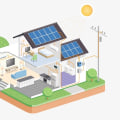
Understanding How Solar Power Systems Generate Electricity
Solar power has transformed from a niche technology into one of the most accessible and affordable energy sources available to homeowners today. Whether you are considering installing solar panels on your roof or simply want to understand how this technology works, this comprehensive guide covers everything you need to know about residential solar energy systems and their components.
The fundamental principle behind solar power is the photovoltaic effect, discovered in 1839 by French physicist Alexandre-Edmond Becquerel. Modern solar panels use this same principle but with dramatically improved efficiency and reduced costs. Today's residential solar systems can offset a significant portion of your electricity bills while reducing your carbon footprint.
How Solar Panels Convert Sunlight to Electricity
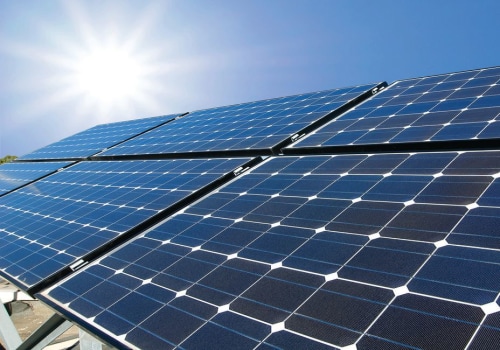
Solar panels, also known as photovoltaic modules, consist of many individual solar cells made primarily from silicon. When photons from sunlight strike these cells, they knock electrons free from atoms in the silicon, creating an electrical current. This process happens silently and without any moving parts, making solar panels remarkably reliable and low-maintenance.
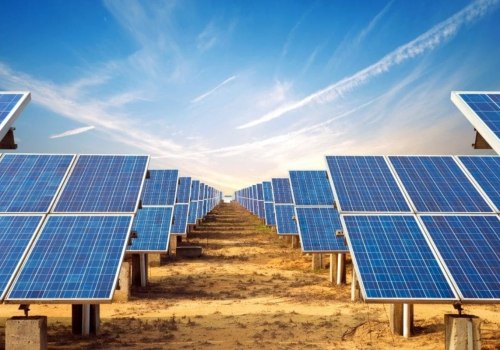
Each solar cell produces a relatively small amount of electricity on its own. However, when dozens of cells are wired together in a panel, and multiple panels are connected in an array, the combined output can power an entire home. Most residential panels today produce between 300 and 400 watts each, with a typical home installation using between 15 and 25 panels depending on energy consumption and available roof space.
The efficiency of modern solar panels has improved dramatically over the past decade. While early commercial panels converted only about 6 percent of incoming sunlight into electricity, today's premium monocrystalline panels regularly achieve efficiencies above 22 percent. This means homeowners need fewer panels to meet their energy needs, making solar viable even for homes with limited roof space. For more details on panel types, visit our solar panel comparison guide.
Key Components of a Residential Solar Energy System
A complete residential solar installation involves several critical components working together. Understanding each component helps homeowners make informed decisions about their solar investment and ensures the system performs optimally for decades.
Solar Inverters and Their Role
The electricity generated by solar panels is direct current, which is not compatible with the alternating current used by household appliances and the electrical grid. Solar inverters solve this problem by converting DC power to AC power. There are three main types of inverters used in residential installations: string inverters, microinverters, and power optimizers paired with a central inverter.
String inverters are the most traditional and cost-effective option. They connect multiple panels in a series, or string, and convert the combined DC output to AC power. However, if one panel in the string is shaded or underperforming, it can reduce the output of the entire string. Microinverters address this limitation by placing a small inverter on each individual panel, allowing each panel to operate independently. Learn more about choosing the right inverter on our inverter selection page.
Battery Storage Systems
While not required for a grid-connected solar system, battery storage is becoming increasingly popular among homeowners who want energy independence and backup power during outages. Modern lithium-ion batteries can store excess solar energy generated during the day for use in the evening or during cloudy periods.
The most well-known residential battery is the Tesla Powerwall, though several other manufacturers offer competitive products. Battery storage systems typically add between five thousand and fifteen thousand dollars to an installation cost but provide significant value through time-of-use rate optimization and backup power capability. Our battery storage guide covers the latest options available.
Financial Benefits of Going Solar
The financial case for residential solar has never been stronger. Between federal tax credits, state incentives, and dramatically reduced equipment costs, most homeowners can expect their solar investment to pay for itself within seven to twelve years, after which they enjoy decades of nearly free electricity.
Federal and State Tax Credits
The federal Investment Tax Credit allows homeowners to deduct a significant percentage of their solar installation cost from their federal taxes. Many states offer additional incentives including rebates, performance-based incentives, and favorable net metering policies that credit homeowners for excess energy sent back to the grid.
Net metering is particularly valuable because it effectively allows homeowners to use the grid as a virtual battery. During sunny hours when panels produce more electricity than the home consumes, the excess is exported to the grid and the homeowner receives credits. These credits can then offset electricity drawn from the grid during nighttime hours. Check our incentives and tax credits page for current programs.
Return on Investment Calculation
Calculating the ROI of a solar installation involves several factors including system cost after incentives, current electricity rates, rate escalation projections, system production estimates, and financing terms if applicable. Most solar installers provide detailed financial projections, but homeowners should understand the key variables that affect their return.
The average residential solar installation in the United States costs between fifteen thousand and twenty-five thousand dollars before incentives. After applying the federal tax credit and any state or local incentives, the net cost typically falls between ten thousand and eighteen thousand dollars. With average electricity savings of one hundred to two hundred dollars per month, the payback period ranges from six to twelve years depending on location and utility rates.
Maintenance and Long-Term Performance
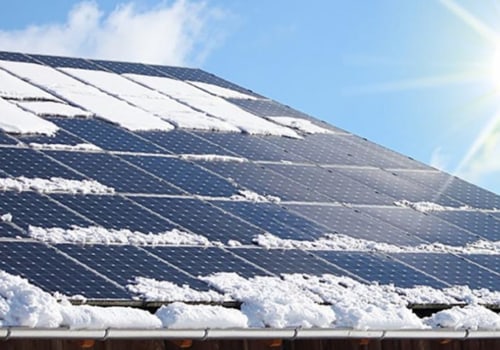
One of the most appealing aspects of solar power systems is their minimal maintenance requirements. Solar panels have no moving parts and are designed to withstand harsh weather conditions including hail, high winds, and extreme temperatures. Most manufacturers offer warranties of 25 to 30 years, and panels often continue producing electricity well beyond their warranty period.
Cleaning and Inspection Best Practices
In most climates, rainfall is sufficient to keep solar panels clean enough for optimal performance. However, in dusty or arid regions, periodic cleaning can improve energy production by five to ten percent. Homeowners should also schedule professional inspections every few years to check electrical connections, mounting hardware, and inverter performance.
Monitoring system performance is easy with modern solar installations. Most inverters include built-in monitoring that allows homeowners to track energy production in real time through a smartphone app or web portal. Any significant drop in production can indicate a problem that needs attention, such as a failing panel or inverter issue. Visit our maintenance tips page for seasonal checklists.
Is Solar Power Right for Your Home
While solar power is an excellent investment for many homeowners, several factors determine whether it makes sense for a specific property. Roof orientation, shading, local electricity rates, and available incentives all play a role in the decision. South-facing roofs with minimal shading in areas with high electricity rates and strong incentive programs are ideal candidates for solar installation.
Homeowners who rent, have heavily shaded properties, or plan to move within a few years may want to explore community solar programs as an alternative. These programs allow participants to benefit from solar energy without installing panels on their own property. For a personalized assessment, explore our solar readiness checklist to determine if your home is a good fit.
The transition to solar energy represents both a financial investment and an environmental commitment. As technology continues to improve and costs continue to decline, solar power will become an increasingly standard feature of residential properties across the country.